How to Know If You Need New Brakes
When it comes to vehicle maintenance, brakes are among the most crucial components to ensure your safety on the road. Understanding when to replace them can prevent accidents, save money, and keep your vehicle running smoothly. This comprehensive guide will help you identify the signs that indicate it’s time for new brakes.
1. Introduction
Brakes are the primary safety system in any vehicle. Without them, the risk of collisions and accidents increases significantly. Knowing how to recognize the early signs of brake wear can save you from costly repairs and potential danger. This guide covers everything you need to know about brake maintenance, from recognizing warning signs to understanding the different types of brake systems.
2. Common Signs of Brake Wear
Unusual Noises
One of the most apparent signs of brake problems is strange noises. Squealing, grinding, or clicking sounds when applying the brakes usually indicate that the brake pads are worn out. These noises often result from metal-to-metal contact, which means the brake pads need immediate replacement to avoid damaging the rotors.
Reduced Responsiveness
If your brakes feel less responsive or if you notice a longer stopping distance, it might be time for new brakes. Spongy or soft brake pedals can indicate air in the brake lines or a problem with the brake fluid, both of which require attention.
Vibrations and Pulsations
Feeling vibrations or pulsations in the brake pedal or steering wheel when braking is another sign of trouble. Warped rotors are often the cause of these vibrations. Warping occurs when the rotors are exposed to excessive heat and wear, requiring them to be resurfaced or replaced.
3. Dashboard Warning Lights
Modern vehicles come equipped with dashboard warning lights that alert you to potential issues. The brake warning light or the ABS (Anti-lock Braking System) light can indicate a problem with your brakes. It’s crucial to address these warnings promptly to ensure your vehicle remains safe to drive.
4. Visual Inspection
Performing a visual inspection of your brakes can help you catch issues early. Look for thin brake pads or grooves and cracks in the rotors. If the brake pads appear less than a quarter of an inch thick, it’s time to replace them. Also, check for fluid leaks around the wheels, which can signify problems with the brake lines or calipers.
5. Brake Pedal Feel
Paying attention to how your brake pedal feels can also provide clues about the condition of your brakes. A soft or mushy brake pedal can indicate a problem with the brake fluid or air in the brake lines. Conversely, a brake pedal that feels hard or resistant might suggest an issue with the brake booster.
6. Pulling to One Side
If your vehicle pulls to one side when braking, it could mean that one brake is working more effectively than the other. This uneven braking can be caused by a stuck caliper, a collapsed brake hose, or unevenly worn brake pads. Addressing this issue promptly can prevent further damage and ensure safe braking.
7. Types of Brakes and Their Maintenance
Disc Brakes
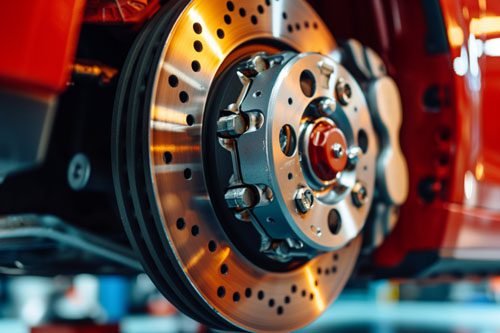
Disc brakes are common in modern vehicles and consist of brake pads, calipers, and rotors. They are generally more efficient and require regular inspection and maintenance. Ensure the brake pads are replaced before they wear down to the metal, and have the rotors resurfaced or replaced as needed.
Drum Brakes
Drum brakes, though less common, are still found in some vehicles. They consist of brake shoes and drums. These brakes require regular maintenance to ensure the brake shoes are not excessively worn and that the drum surface remains smooth.
8. Importance of Regular Brake Maintenance
Regular brake maintenance is essential for vehicle safety and performance. Scheduled brake inspections can identify potential issues before they become serious problems. Routine maintenance includes checking the brake fluid, inspecting the brake lines, and ensuring the brake pads and rotors are in good condition.
9. Choosing the Right Brake Components
When it’s time to replace your brakes, choosing the right components is crucial. Consider factors such as the material and quality of brake pads and rotors. High-quality components may cost more initially but often last longer and perform better than cheaper alternatives.
10. Professional Brake Services
While some brake maintenance tasks can be performed at home, others require professional expertise. Professional brake services ensure that your brakes are installed correctly and that any underlying issues are addressed. Regular visits to a trusted mechanic can help keep your braking system in top condition.
Conclusion
Understanding the signs that indicate you need new brakes is vital for maintaining your vehicle’s safety and performance. Regular inspections, attentive driving, and timely maintenance can prevent accidents and costly repairs. By staying informed and proactive about your brake system, you can enjoy a smoother, safer driving experience.
For expert brake services and more information, visit Alis MOT Station. Your safety is our priority, and we’re here to help you keep your vehicle in the best possible condition.