Why You Shouldn’t Ignore Your Car’s Warning Lights
Ignoring your car’s warning lights can lead to dire consequences. These lights are designed to be the first line of defence against potential issues that could compromise the safety and functionality of your vehicle. Understanding the importance of these warning lights and responding appropriately can save you from costly repairs and dangerous situations.
Understanding Car Warning Lights
1. The Significance of Warning Lights
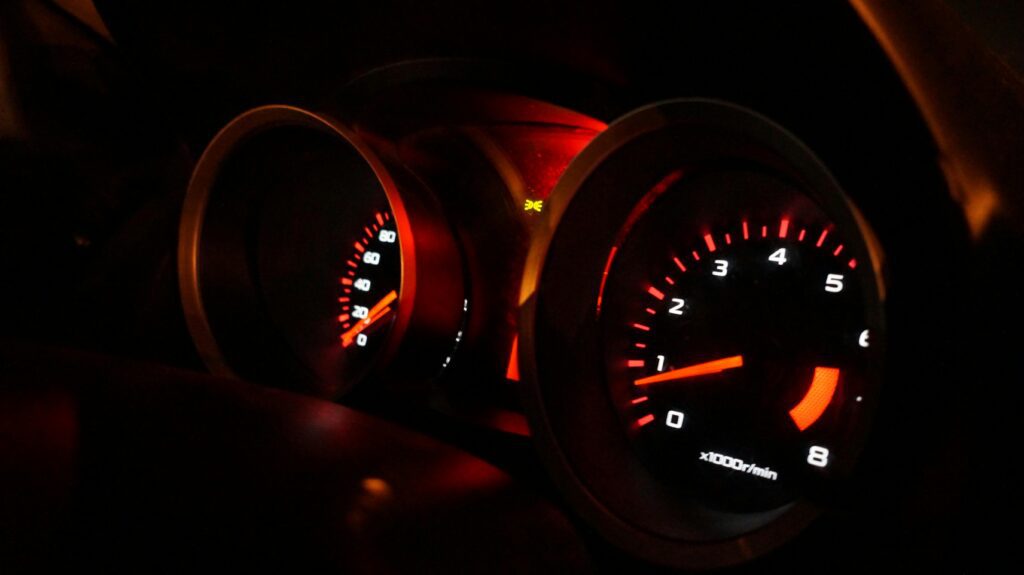
Your car’s dashboard is equipped with a variety of warning lights, each serving a specific purpose. These lights are not merely suggestions; they are urgent indicators of your vehicle’s health. When a warning light illuminates, it means your car’s system has detected an issue that needs immediate attention.
2. Common Warning Lights and Their Meanings
- Check Engine Light: This is perhaps the most dreaded warning light for many drivers. It can indicate a range of issues from a loose fuel cap to serious engine problems. Immediate diagnostic testing is crucial.
- Oil Pressure Warning: This light indicates low oil pressure, which can lead to severe engine damage if not addressed promptly. Checking oil levels and refilling if necessary should be your first step.
- Brake System Warning: This can be triggered by low brake fluid or a problem with the braking system. Ignoring this warning can result in brake failure, endangering your safety.
- Battery Alert: When this light comes on, it means your battery isn’t charging properly. This could be due to a faulty alternator or a dead battery, both of which need quick attention to avoid being stranded.
Immediate Actions to Take When a Warning Light Comes On
1. Do Not Panic
While it is concerning to see a warning light, the first step is to remain calm. Assess the situation without immediate alarm.
2. Pull Over Safely
If a serious warning light, such as the oil pressure or brake system light, comes on, it is best to pull over safely as soon as possible. Continuing to drive with these lights on can cause irreparable damage to your vehicle.
3. Consult Your Owner’s Manual
Your car’s owner manual provides specific instructions for each warning light. Refer to this guide to understand the severity of the issue and the recommended course of action.
Preventative Maintenance to Avoid Warning Lights
1. Regular Vehicle Inspections
Routine inspections can prevent many issues that trigger warning lights. Regularly check fluid levels, tyre pressure, and the overall condition of your vehicle.
2. Scheduled Servicing
Adhering to your car’s servicing schedule is essential. Regular oil changes, brake checks, and engine diagnostics can catch problems early, before they turn into costly repairs.
3. Monitoring Driving Conditions
Be mindful of how and where you drive. Harsh driving conditions such as extreme weather, heavy traffic, and rough roads can accelerate wear and tear on your vehicle, leading to potential warning lights.
The Consequences of Ignoring Warning Lights
1. Increased Repair Costs
Ignoring warning lights often leads to more significant problems, resulting in expensive repairs. For instance, disregarding the oil pressure warning can lead to engine failure, necessitating a costly engine rebuild or replacement.
2. Safety Risks
Some warning lights indicate safety-related issues. Ignoring the brake system warning, for example, can result in brake failure, increasing the risk of accidents.
3. Reduced Vehicle Lifespan
Regularly ignoring warning lights and deferring maintenance can drastically shorten your vehicle’s lifespan. Proper attention to these alerts ensures your car runs smoothly and lasts longer.
Advanced Diagnostics and Professional Help
1. On-Board Diagnostics (OBD-II)
Modern vehicles come equipped with OBD-II ports, which allow the mechanics at Ali’s MOT Station to read diagnostic trouble codes (DTCs) related to warning lights. Investing in a quality OBD-II scanner can help you understand these codes and the necessary repairs.
2. Professional Diagnostics
When in doubt, it is always best to consult a professional mechanic. They have the tools and expertise to diagnose and fix the issues indicated by your car’s warning lights.