How Often Should You Inspect Car Fluids and Tyre Pressure?
Owning a car comes with a lot of responsibilities, one of which is regular maintenance. Ensuring that your vehicle is in good working condition not only enhances its performance but also extends its lifespan. One of the key aspects of vehicle maintenance is inspecting car fluids and tyre pressure. But how often should you do this? In this comprehensive guide, we will delve into the details of car fluid and tyre pressure inspections, providing you with all the information you need to keep your car running smoothly and safely.
Importance of Regular Car Maintenance
Regular car maintenance is crucial for several reasons. Firstly, it ensures that your car runs efficiently, which can save you money on fuel and repairs in the long run. Secondly, it enhances safety by preventing potential issues that could lead to accidents. Lastly, it helps maintain the value of your vehicle, which is particularly important if you plan to sell it in the future.
Essential Car Fluids to Inspect
Your car relies on several essential fluids to operate smoothly. These include engine oil, coolant, brake fluid, transmission fluid, power steering fluid, and windshield washer fluid. Each of these fluids plays a vital role in the functioning of your vehicle, and neglecting to check and maintain them can lead to serious problems.
Engine Oil
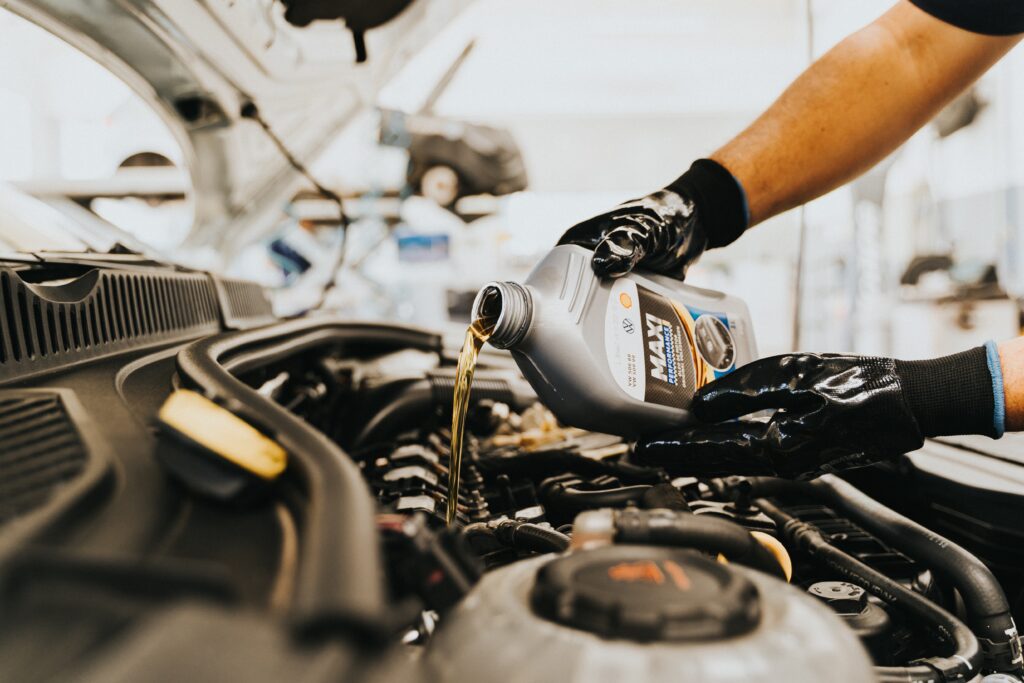
Engine oil lubricates the moving parts of your engine, reducing friction and preventing overheating. It is essential to check your engine oil level regularly and change it as per the manufacturer’s recommendations, typically every 6,000 to 12,000 miles or every six to twelve months, whichever comes first.
Coolant
Coolant (or antifreeze) helps regulate your engine’s temperature, preventing it from overheating in the summer and freezing in the winter. Check your coolant level at least twice a year, and top it up if necessary. It is also advisable to flush and replace the coolant every 30,000 miles or as recommended by your car manufacturer.
Brake Fluid
Brake fluid is crucial for the proper functioning of your braking system. Low brake fluid levels can lead to brake failure, which is extremely dangerous. Check your brake fluid level every month and replace it every two years or as specified in your vehicle’s manual.
Transmission Fluid
Transmission fluid lubricates the components of your car’s transmission, ensuring smooth gear shifts. Check the transmission fluid level every month and change it every 30,000 to 60,000 miles, depending on your driving conditions and manufacturer’s guidelines.
Power Steering Fluid
Power steering fluid allows for easy steering by providing hydraulic pressure. Low power steering fluid can make steering difficult and lead to damage in the power steering pump. Check this fluid every month and top it up as needed. Change it every 50,000 miles or as per the manufacturer’s instructions.
Windshield Washer Fluid
While not critical to your car’s operation, windshield washer fluid is essential for clear visibility. Check and top it up regularly, especially before long trips or in adverse weather conditions.
Understanding Tyre Pressure
Proper tyre pressure is essential for several reasons, including safety, fuel efficiency, and tyre longevity. Underinflated tyres can lead to poor handling, increased wear, and higher fuel consumption. Overinflated tyres, on the other hand, can cause a harsh ride and uneven tyre wear.
How Often to Check Tyre Pressure
You should check your tyre pressure at least once a month and before long trips. It’s also a good idea to check it whenever there is a significant change in temperature, as temperature fluctuations can affect tyre pressure.
Signs That Car Fluids or Tyre Pressure Need Attention
Being proactive about car maintenance can prevent many issues, but sometimes your car will give you signs that something needs attention.
Warning Lights
Modern cars are equipped with warning lights that alert you to potential issues. If you see a warning light related to oil, coolant, brakes, or tyre pressure, take immediate action to address the issue.
Unusual Noises
Strange noises, such as grinding, squeaking, or knocking, can indicate problems with your car’s fluids or tyres. For example, a grinding noise when braking could indicate low brake fluid or worn brake pads.
Poor Handling or Ride Quality
If your car feels less responsive, pulls to one side, or rides rough, it could be due to low tyre pressure or other tyre-related issues.
Visible Leaks
Any visible fluid leaks under your car should be addressed immediately. Leaking fluids can lead to significant mechanical problems if not fixed promptly.
Best Practices for Car Fluid and Tyre Pressure Maintenance
To keep your car in optimal condition, follow these best practices:
Regular Inspections
Incorporate fluid and tyre pressure checks into your routine maintenance schedule. Regular inspections help you catch issues early before they become major problems.
Follow Manufacturer Guidelines
Always refer to your car’s manual for specific maintenance schedules and fluid types. Manufacturer guidelines are tailored to your vehicle and ensure you are providing the best care possible.
Use Quality Products
When topping up or replacing fluids, use high-quality products that meet the specifications outlined in your car’s manual. The same goes for tyres – choose reputable brands and ensure they are properly fitted.
Keep a Maintenance Log
Maintain a log of all your maintenance activities, including fluid changes and tyre pressure checks. This log can be invaluable for tracking your car’s health and for resale purposes.
Common Mistakes to Avoid
Even with the best intentions, it’s easy to make mistakes when maintaining your car. Here are some common pitfalls to avoid:
Ignoring Warning Signs
Never ignore warning lights or unusual noises. Addressing these issues promptly can save you from more costly repairs down the line.
Overfilling or Underfilling Fluids
Both overfilling and underfilling fluids can cause problems. Always follow the recommended levels in your car’s manual.
Neglecting Tyre Rotation and Alignment
Regular tyre rotation and alignment checks are as important as maintaining correct tyre pressure. These services ensure even tyre wear and optimal handling.
The Role of Professional Services
While DIY maintenance is essential, professional services play a critical role in car care. Mechanics have the expertise and tools to perform detailed inspections and address complex issues. Regular professional check-ups complement your maintenance efforts and ensure your car is in top condition.
When to Seek Professional Help
If you’re unsure about any aspect of your car’s maintenance, or if you encounter a problem that you cannot resolve, seek professional help. Regular servicing by a qualified mechanic is a worthwhile investment in your car’s longevity and your safety, and that is something we can help with at Ali’s MOT Station.